viernes, 5 de junio de 2015

jueves, 4 de junio de 2015

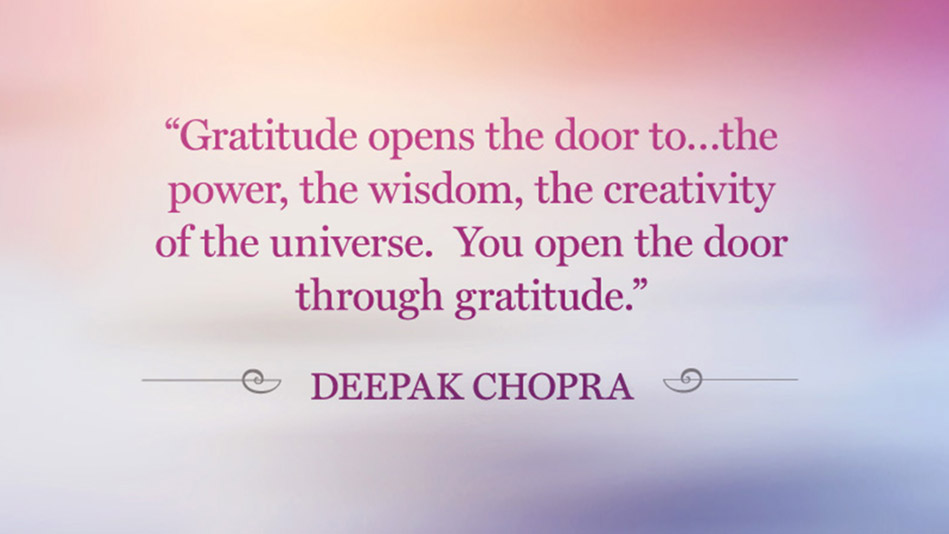
Gratitude


Gratitude

Ways to be a gratitude person!

Gratitude


Quote

Gratitude


Gratitudethankfulnessgratefulness, or appreciation is a feeling or attitude in acknowledgment of a benefit that one has received or will receive. 

Gratitude may also serve to reinforce future prosocial behavior in benefactors. For example, one experiment found that customers of a jewelry store who were called and thanked showed a subsequent 70% increase in purchases. In comparison, customers who were called and told about a sale showed only a 30% increase in purchases, and customers who were not called at all did not show an increase.


Gratitude


The Benefits of Gratitude

gratitude is an emotion expressing appreciation for what one has—as opposed to, for example, a consumer-driven emphasis on what one wants. Gratitude is getting a great deal of attention as a facet of positive psychology: Studies show that we can deliberately cultivate gratitude, and can increase our well-being and happiness by doing so. In addition, gratefulness—and especially expression of it to others—is associated with increased energy,optimism , and empathy.

Grit


Grit in psychology is a positive, non-cognitive trait based on an individual's passion for a particular long-term goal or endstate, coupled with a powerful motivation to achieve their respective objective. This perseverance of effort promotes the overcoming of obstacles or challenges that lie within a gritty individual’s path to accomplishment, and serves as a driving force in achievement realization. 


Grit

Model grit by thinking loud

Get yourself into a sticky situation with a math problem on the board, or re-structure that classroom system for the fourth time when it’s not working. Show that grit is part of everyday life.


Grit


Grit can be predictive of achievement, especially in challenging contexts in which stamina is key.


Grit

Observing Grit

Grit is a combination of passion and persistence. Demonstrating grit could involve:
  •  Finishing what you begin
  •  Staying committed to your goals
  •  Working hard even after experiencing failure or when you feel like quitting
  •  Sticking with a project or activity for more than a few weeks

Grit

Grit

Grit is perseverance and passion for long-term goals.

As an educator, you may be hearing a lot about grit these days—and with good reason. Studies show that kids who demonstrate grit persist at hard tasks and outperform their competitors. Grit is a critical strength of most people who are successful. It is especially complex because it is related to other skills and mindsets such as optimism, purpose, growth mindset, bravery, and even self-control.
There are a lot of misconceptions about grit. Grit is much more than just encouraging kids to “try harder” or not give up—it’s also about helping kids find their passion. Having grit does not mean never quitting—it means quitting responsibly (and not just because times get tough) and sticking to the things to which you are truly dedicated.

zest


 Quote

jueves, 28 de mayo de 2015

zest

The Benefits of Zest

In a wonderful post on enthusiasm, blogger and real-estate investor Matt Theriault (“The Do-Over Guy”) lists the benefits of zest :
  • It makes life more fun.  “It’s like an inner light,” Theriaul says, “an inner energy, and it really makes life easier.”
  • It’s attractive to people.  “Enthusiasm is probably one of the most attractive qualities any person can have.”
  • It makes you want to do things, and then you get better results and fulfill more of the potential of any situation or experience.
  • It makes for powerful communication.  It makes your message stronger.
  • It gets things done.  “Enthusiasm is the switch.”

zest


Why is zest important?


Zest and vitality correlate with autonomy and relatedness. Vitality may also  be a cause and effect of health and well-being.


zest

Observing Zest

Zest may look like extroversion, but anyone can exhibit the behaviors of zest, regardless of their normal tendency to be introverted or extroverted. Exhibiting zest could involve:
  •  Actively participating by asking questions or listening closely
  •  Showing enthusiasm through smiles or excited comments
  •  Approaching new situations with excitement and energy
  •  Invigorating others around you.

viernes, 22 de mayo de 2015

zest


Zest:
sometimes referred to as vitality,
 is an approach to life filled with excitement and energy.


jueves, 21 de mayo de 2015

social intelligence


What does social intelligence look like?


People with high levels of social intelligence have an awareness of other people’s feelings and motives and use this understanding to navigate social situations appropriately, whereas those low on social intelligence are less attuned to other people’s feelings and perspectives. For instance, someone displaying socially intelligent behavior would recognize a shift in someone’s tone or demeanor and might adjust his or her own behavior accordingly.
  • Find solutions during conflicts with others
  • Demonstrate respect for the feelings of others
  • Adapt to different social situations

jueves, 14 de mayo de 2015

social intelligence

Social intelligence is the capacity to effectively negotiate complex social relationships and environments. PsychologistNicholas Humphrey believes that it is social intelligence, rather than quantitative intelligence, that defines humans. Social scientist Ross Honeywill believes social intelligence is an aggregated measure of self- and social-awareness, evolved social beliefs and attitudes, and a capacity and appetite to manage complex social change.
The original definition by Edward Thorndike in 1920 is "the ability to understand and manage men and women, boys and girls, to act wisely in human relations". It is equivalent to interpersonal intelligence, one of the types of intelligence identified in Howard Gardner's Theory of Multiple Intelligences, and closely related to theory of mind.